

 Rolex Steel and White Gold Datejust 31 Watch ...
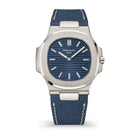


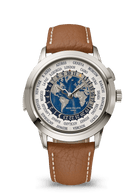


 Patek Philippe Rare Handcrafts Calatrava Minu...


 Audemars Piguet Neo Frame Selfwinding 34mm - ...


 Vacheron Constantin Overseas Dual Time - Stee...


 A. Lange & Söhne 1815 Up/Down - White Gold - ...


 Richard Mille RM 53-02 TOURBILLON SAPPHIRE ⋅ ...


 Omega Speedmaster Milano Cortina 38mm - Steel...


 Cartier Panthère de Cartier Small Model 22mm ...


 IWC Pilot Venturer Vertical Drive 44mm - Cera...


 Tudor Clair de Rose Blue 26mm - Steel and Dia...

 Panerai Luminor Chrono Navy Seals Limited Edi...

Not all luxury watches are created equal. Understanding the watch tiers helps collectors, enthusiasts, and buyers navigate the complex landscape of prestige, craftsmanship, and market value. This article breaks down the luxury watch hierarchy, offering a clear guide to the top brands and what sets them apart in the competitive realm of high-end timepieces.
What is a Luxury Watch Hierarchy?
A luxury watch brand hierarchy, or a watch pyramid, is a tiered classification of watchmakers based on several factors. This hierarchy is not officially standardized but is widely recognized by collectors, horologists, and industry experts. It helps buyers, enthusiasts, and investors understand the relative status of different brands in high-end watchmaking.
Defining the Criteria
Three key pillars shape the hierarchy of luxury watch brands: prestige, craftsmanship, and market value.
1. Prestige
Prestige in the watch world is built over decades or centuries through a combination of heritage, exclusivity, and brand recognition. The most prestigious watchmakers are often family-owned or have deep roots in traditional Swiss or German watchmaking. These brands are synonymous with status and timeless elegance, often worn by royalty, world leaders, and cultural icons. Their names alone evoke a sense of legacy and achievement.
2. Craftsmanship
At the heart of luxury watchmaking lies the art of craftsmanship. This includes everything from designing and manufacturing in-house movements to hand-finishing intricate components like bridges, gears, and dials. High-end brands invest heavily in micro-engineering and horological complications, which can take hundreds of hours to produce. True craftsmanship becomes artistry, tradition, and innovation woven together.
3. Market Value
Market value reflects both the retail price and the watch’s ability to retain or even increase in value over time. This is influenced by demand, production volume, historical significance, and brand equity. Some watches become investment pieces, fetching high prices on the secondary market or at auctions. Strong market value is a sign of lasting desirability, making certain watches not only luxurious objects but also financial assets.
The Hierarchy of Luxury Watch Brands (Tiered Breakdown)
With the core criteria in mind, we can now break down the luxury watch world into distinct tiers that reflect varying levels of prestige, craftsmanship, and market influence. Let's check out how watch brands are ranked.
Tier 1: Haute Horlogerie (Ultra-Prestige)

This top tier at the top of the watch pyramid represents the most prestigious and technically sophisticated brands in the watchmaking world.
-
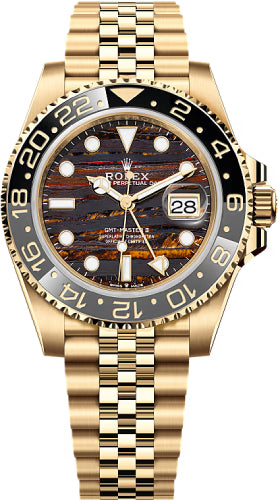
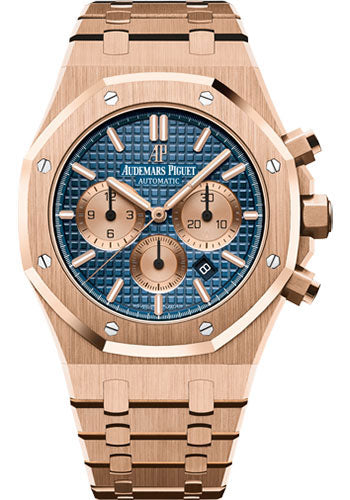
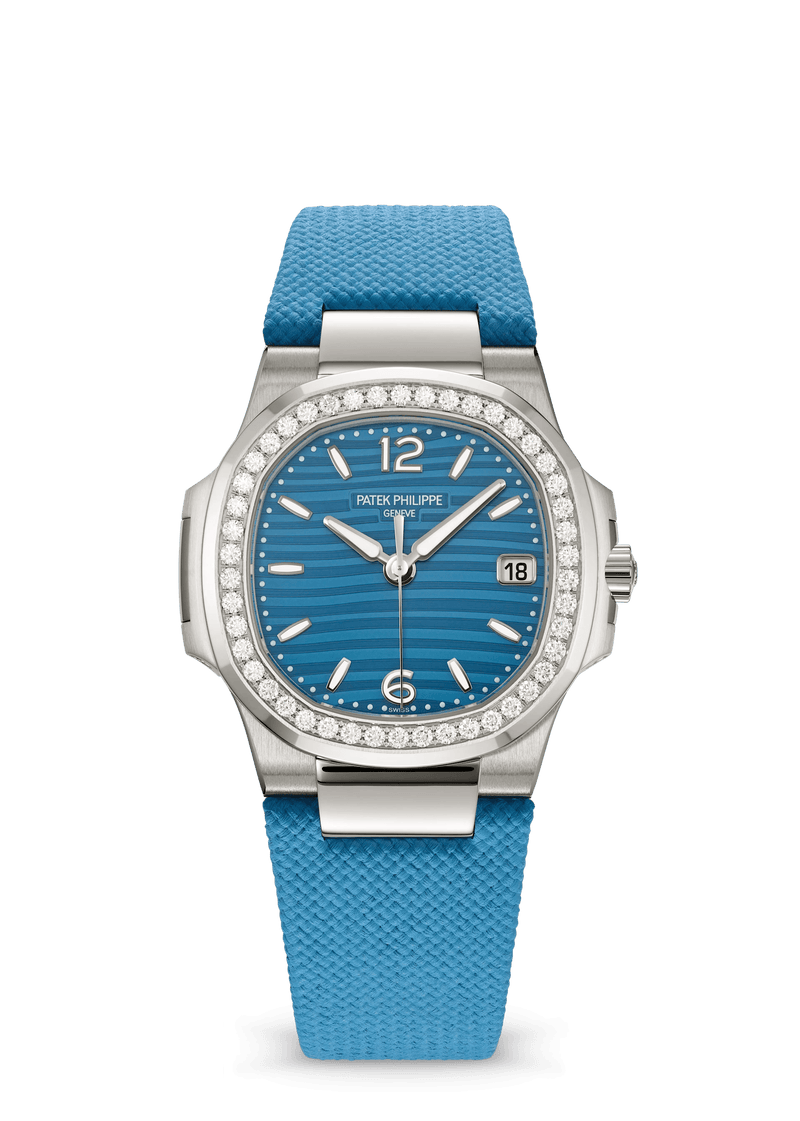
Brands: Patek Philippe, Audemars Piguet, Vacheron Constantin, A. Lange & Söhne
-
Characteristics: Exceptional hand-finishing, complex in-house movements, limited production, and deep horological heritage
-
Market Insight: These watches hold or increase in value over time, often fetching record-breaking prices at auctions. Serious luxury watch collectors highly favor them.
Tier 2: Iconic Luxury

This tier includes globally recognized brands that balance luxury, reliability, and strong brand identity.
-
Characteristics: High-quality craftsmanship, iconic designs, strong brand legacy, and widespread appeal.
-
Market Insight: These brands are industry benchmarks with robust resale value and high demand across both new and pre-owned markets.
Tier 3: Independent and Avant-Garden

This tier features smaller, independent brands known for pushing creative and technical boundaries in watchmaking.
-
Brands: F.P. Journe, Richard Mille, H. Moser & Cie., MB&F
-
Characteristics: Bold design, innovative complications, limited production, and strong artistic or technical vision.
-
Market Insight: These watches attract dedicated collectors, often appreciate in value, and are prized for their uniqueness and exclusivity.
Tier 4: Entry-Level Luxury

This tier offers a gateway into luxury watch ownership, blending heritage and quality at more accessible price points.
-
Brands: TAG Heuer, Longines, Oris, Tudor
-
Characteristics: Solid craftsmanship, reliable movements (often ETA or modified in-house), and recognizable designs with historical roots.
-
Market Insight: Ideal for first-time buyers, these watches offer good value retention and brand credibility without the premium of higher tiers.
Here’s a clean, easy-to-read watch brand chart summarizing the luxury watch hierarchy tiers:
|
Tier |
Brands |
Characteristics |
Market Insight |
|
Tier 1: Haute Horlogerie |
Patek Philippe, Audemars Piguet, Vacheron Constantin, A. Lange & Söhne |
Exceptional hand-finishing, complex in-house movements, limited production, deep heritage |
Watches hold or increase value; highly sought-after by serious collectors; auction favorites |
|
Tier 2: Prestigious and Iconic |
Rolex, Omega, Jaeger-LeCoultre, Blancpain |
High-quality craftsmanship, iconic designs, strong brand legacy |
Strong resale value, wide appeal; Rolex is the market leader with very high demand |
|
Tier 3: Boutique and Independent Innovators |
F.P. Journe, Richard Mille, H. Moser & Cie., MB&F |
Bold design, innovative complications, limited runs, artistic vision |
Cult followings; often appreciate in value; prized for uniqueness and exclusivity |
|
Tier 4: Entry-Level Luxury |
TAG Heuer, Longines, Oris, Tudor |
Solid craftsmanship, reliable movements, accessible prices |
Great value for new collectors; good brand credibility without ultra-premium price tags |
Market Dynamics and Collectability
Market dynamics shape how watches appreciate in value, how collectible certain models become, and how trends evolve over time. One key driver is scarcity. Limited editions, rare complications, or discontinued models often spark intense demand, sometimes causing prices to skyrocket on the secondary market. Auction houses like Phillips, Sotheby’s, and Christie’s play a vital role in setting benchmarks for value, especially for vintage or historically significant pieces.
Celebrity endorsements and pop culture exposure can also influence the luxury pyramid. When influential figures wear certain watches—whether in films, at major events, or on social media—it can dramatically boost a brand’s visibility and desirability. For instance, the iconic Rolex Daytona achieved legendary status partly due to its association with actor Paul Newman. James Bond wears Omega. This kind of exposure can translate into higher retail prices and resale premiums.
Collector communities and forums also significantly impact market trends by driving interest and educating buyers on nuances like provenance, condition, and rarity. Enthusiast-driven demand often sustains or even revives interest in smaller independent brands or overlooked vintage models, adding layers of value beyond the immediate brand prestige.
Finally, macro trends such as sustainability, technological innovation, and shifts in buyer demographics are reshaping the market landscape. Younger collectors often seek brands that balance heritage with modern values, such as transparency about sourcing and production practices. Meanwhile, the rise of online marketplaces and social media has made luxury watches more accessible and visible worldwide.
Conclusion
Understanding the watch pyramid provides valuable insight into what defines prestige and value in this timeless industry. Armed with this luxury watch hierarchy, collectors and enthusiasts alike can make more informed decisions and deepen their appreciation for the world’s finest timepieces.