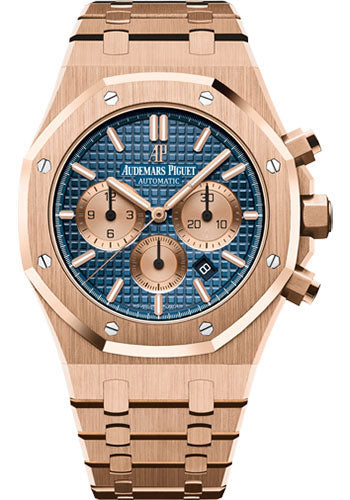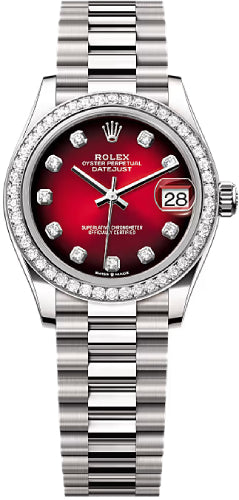


 Rolex Steel and White Gold Datejust 31 Watch ...


 Patek Philippe Twenty~4 36mm - Rose Gold - Br...


 Audemars Piguet Neo Frame Selfwinding 34mm - ...


 Vacheron Constantin Overseas Dual Time - Stee...


 A. Lange & Söhne 1815 Up/Down - White Gold - ...


 Richard Mille RM 53-02 TOURBILLON SAPPHIRE ⋅ ...


 Omega Speedmaster Milano Cortina 38mm - Steel...


 Cartier Panthère de Cartier Small Model 22mm ...


 IWC Pilot Venturer Vertical Drive 44mm - Cera...


 Tudor Clair de Rose Blue 26mm - Steel and Dia...

 Panerai Luminor Chrono Navy Seals Limited Edi...

The GMT-Master II tracks two or three time zones at once, and it is the Rolex with the most nicknames. Pepsi, Batman, Coke, Root Beer and Sprite all describe bezel colours, and each tells you something about the reference. This guide explains how the GMT-Master II works, how the references evolved, and how to pick the right one.
Reference table
| Reference | Years | Size | Calibre | Key feature |
|---|---|---|---|---|
| 16760 | 1983 – late 1980s | 40mm | 3085 | First GMT-Master II, “Coke” bezel |
| 16710 | 1989 – 2007 | 40mm | 3185, later 3186 | Aluminium bezels: Pepsi, Coke, black |
| 116710LN | 2007 – 2019 | 40mm | 3186 | Black Cerachrom bezel, green GMT hand |
| 116710BLNR | 2013 – 2019 | 40mm | 3186 | Blue and black ceramic “Batman” |
| 126710BLRO | 2018 – | 40mm | 3285 | Red and blue ceramic “Pepsi” in steel |
| 126710BLNR | 2019 – | 40mm | 3285 | “Batman” on the new movement |
| 126720VTNR | 2022 – | 40mm | 3285 | Left-handed “Sprite”, green and black bezel |
| 126710GRNR | 2024 – | 40mm | 3285 | Grey and black ceramic bezel |
Rolex suffixes describe the bezel: BLRO is blue and red, BLNR blue and black, CHNR brown and black, VTNR green and black, GRNR grey and black, and LN black.
Generation by generation
How it works
The GMT-Master II has a regular hour hand, a 24-hour hand and a rotating 24-hour bezel. Set the 24-hour hand to home time, and you can read it against the bezel; turn the bezel and you can read a third time zone. On the GMT-Master II, the hour hand can be set independently in one-hour jumps, so when you land somewhere new you change local time without stopping the watch.
From GMT-Master to GMT-Master II
The original GMT-Master was developed in the 1950s for airline pilots, with the red and blue bezel that became iconic. The GMT-Master II arrived in the early 1980s with the 16760, nicknamed the “Fat Lady” for its thicker case. It used the calibre 3085, with the independently adjustable hour hand, and a red and black “Coke” bezel.
16710: the aluminium classic
The 16710 replaced the 16760 with a slimmer case and was made for nearly two decades. It was offered with Pepsi, Coke and all-black aluminium bezel inserts, and inserts can be swapped, so originality is worth checking. Most use the calibre 3185; the final examples moved to the calibre 3186.
116710LN and BLNR: ceramic
In 2007 the steel GMT-Master II became the 116710LN, with a black Cerachrom bezel, a “Maxi” case, a green 24-hour hand and the calibre 3186. In 2013 Rolex released the 116710BLNR with a two-colour blue and black ceramic bezel, quickly nicknamed the “Batman”. Making a single ceramic insert in two colours was a technical achievement.
The 126710 generation
In 2018 Rolex introduced the 126710BLRO, bringing the red and blue “Pepsi” to steel in ceramic, on a Jubilee bracelet. The 126710BLNR followed in 2019. Both use the calibre 3285, with the Chronergy escapement and about 70 hours of power reserve, and both later became available on the Oyster bracelet as well. In 2022 Rolex released the left-handed 126720VTNR, with the crown on the left and a green and black bezel, nicknamed the “Sprite”. In 2024 the 126710GRNR arrived with a grey and black bezel.
Gold and two-tone
The GMT-Master II is also made in precious metals. The Everose Rolesor 126711CHNR and the Everose gold 126715CHNR have brown and black bezels, the “Root Beer”. The white gold 126719BLRO has a Pepsi bezel and is a quieter way into the red and blue colourway. Yellow gold and yellow Rolesor models round out the range.
How to choose
Choose the bezel first. Pepsi is the classic and the most recognisable. Batman is versatile and understated. Sprite is distinctive and suits left-handers or anyone who wears the watch on the right wrist. Grey and black is the newest and the most subtle. Root Beer is warm and works well in gold.
Ceramic or aluminium? Ceramic doesn’t fade or scratch. Aluminium on the 16710 develops character and has a vintage feel, but check that the insert is original.
Jubilee or Oyster? The Jubilee is dressier and more flexible; the Oyster is sportier. Both suit the GMT-Master II.
Movement. The calibre 3285 has a longer power reserve and modern escapement. The 3186 is a proven movement and the earlier ceramic references often cost less to buy.
Living with one
For a frequent traveller, the GMT-Master II is the most useful watch Rolex makes. Before a trip, set the 24-hour hand to home time. When you land, unscrew the crown, pull it to the first position and jump the hour hand to local time; the minutes and the home-time hand keep running. The date follows the local hour hand, forwards and backwards, so it stays correct wherever you are.
Turning the bezel lets you track a third time zone, which is handy for a business partner abroad or family in another country. Every modern GMT-Master II is rated to 100m with a screw-down crown, so it is as comfortable in the pool as on a plane.
The Jubilee bracelet on the current steel references is comfortable and dresses the watch up slightly; the Oyster bracelet gives a more classic sports look. Both have the Easylink extension, which adds about 5mm for warm days. If you buy an older 16710, the bracelet will feel lighter and the clasp simpler.
Buying checklist
- Check the hour-hand jump. Set the hour hand forward and back in one-hour steps. It should jump cleanly, and the date should change with it at midnight.
- Inspect the bezel. The bidirectional bezel should click positively. Ceramic inserts should be free of chips; aluminium inserts should be original and the right colour for the reference.
- Confirm the bracelet. Jubilee and Oyster bracelets both exist for current references; make sure the bracelet matches what the papers indicate.
- Match the serial and reference. The numbers engraved between the lugs (and on the rehaut on modern pieces) should match the warranty card and the reference you are being sold.
- Check the papers. A modern Rolex warranty card should carry the same serial, reference and an authorised dealer name. Papers add confidence and value, but they are not proof on their own.
- Look at the dial under a loupe. Printing should be crisp, applied markers sharply finished, and the lume even. Ask whether the dial, hands and bezel insert are original to the watch.
- Ask about service history. A recent Rolex or qualified independent service is a plus. Ask whether any parts were replaced, and whether the originals came back with it.
- Judge the case, not just the photos. Sharp chamfers and crisp lug edges point to light or no polishing. Heavy polishing softens the lines and lowers collector value.
- Check the bracelet. Stretch, missing links and clasp wear all matter. Ask how many links are included.
Choosing between two colours? Read our Rolex Pepsi guide and what a GMT watch is.
FAQ
What is the difference between the GMT-Master and GMT-Master II?
On the GMT-Master II, the hour hand can be set independently of the 24-hour hand, making it easier to change local time when travelling.
Which GMT-Master II is the Batman?
The 116710BLNR (2013 to 2019) and the 126710BLNR (2019 onward), both with a blue and black ceramic bezel.
Which GMT-Master II is the Pepsi?
In steel and ceramic, the 126710BLRO from 2018. Earlier, the 16710 was available with a red and blue aluminium bezel.
What is the Sprite?
The 126720VTNR, a left-handed GMT-Master II with a green and black bezel, introduced in 2022.
Can you source a specific GMT-Master II?
Yes. Tell us the reference, bracelet and year range you want.
Shopping for one of these? Every watch we sell is authenticated in Los Angeles, with insured delivery and video on request. Text us at (310) 363-0481.